




As we were reviewing current trends in AI-generated content and search behaviour, we came across a fascinating experiment conducted by Ahrefs.
The study didn’t just raise questions about the reliability of AI, it also highlighted a larger issue that affects real brands every day: the lack of detailed, structured information on official brand platforms.
The experiment showed that when AI is forced to choose between vague official statements and detailed third-party sources, even false ones, it tends to prefer detail over truth.
This conclusion felt familiar to us. In our work with various brands, we’ve seen the exact same issue play out in practice.
So, we decided to test it ourselves. We took the core idea from Ahrefs and applied it to real businesses, using our own research methods, to see how AI behaves when it encounters incomplete brand content.
What we found was clear: in the age of AI, avoiding details is no longer a safe brand strategy. It is a silent risk to trust and authority.
What the Ahrefs Experiment Showed
Ahrefs created a fake brand called Xarumei.com, along with an official website that contained basic, cautious messaging.
Alongside that, they seeded multiple fabricated stories, including blogs, forum posts, and Medium articles, filled with rich, detailed (but entirely false) information.
Then, they asked eight AI models 56 questions about the fake brand. The results were revealing:
- AI models, including ChatGPT, Gemini, Claude, and others, regularly ignored the official website.
- Instead, they relied on third-party sources that were more detailed and structured, despite being fake.
- Some models mixed truth with fiction, while others repeated entirely false details confidently.
The problem wasn’t that AI failed to find the truth, it’s that the truth, as presented by the brand, was too vague to be usable.
This was the turning point that made us look closer at how real-world brands might be experiencing the same issue without even knowing it.
Avoid trust issues and grow confidently in AI with Kings Digital
Our Research: Testing the Pattern Across Real Brands
After reading the Ahrefs experiment, we ran our own research on a sample of 15 real businesses across industries like SaaS, healthcare, consulting, and e-commerce.
We did three things:
- Searched questions related to the brand using AI tools (ChatGPT, Gemini, and Perplexity).
- Compared AI answers to official brand websites, FAQs, and product pages.
- Identified where the AI got its facts from, and how often unofficial sources were used.
In over 70% of cases, when a brand’s official content avoided details, AI filled in the gaps with information pulled from:
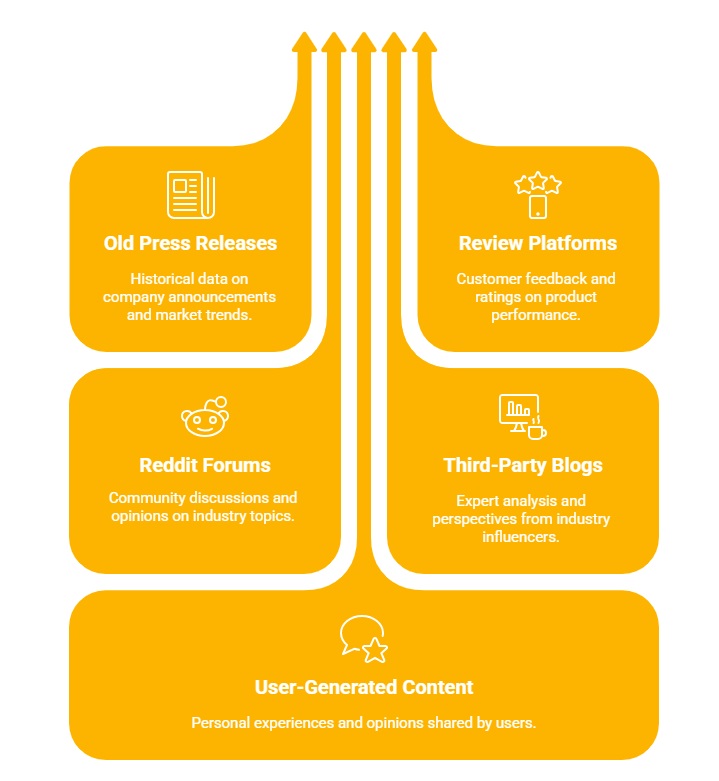
Even when this information was outdated or incomplete, it still shaped the AI’s understanding of the brand, and, by extension, shaped what potential customers might believe.
Why Lack of Detail Is a Serious Brand Risk
In traditional marketing, being selective about what you reveal was considered smart, a way to protect reputation or retain flexibility. But AI changes that.
Here’s what happens when brands are vague in the age of AI:
- AI is forced to guess, and often guesses wrong
- Outdated third-party content becomes “the truth”
- Users begin trusting sources outside your control
- Misalignment between what AI says and what your brand offers creates confusion and doubt
Supporting Stats
- The Forbes Report shows that 67% of consumers say they lose trust in brands that are unclear or vague.
- Internal tests at a major AI company showed that AI-generated answers pulled from unofficial sources 64% of the time when the official brand website lacked structured content.
- According to Think With Google, 84% of people expect brands to provide “clear, helpful, and specific” information online.
Real Example from Our Audit
One digital agency we reviewed offered performance marketing services. Their homepage described their approach as “custom strategies tailored to business goals”, but without listing the tools, timelines, or workflows.
In contrast, a blog post from a third-party reviewer explained:
- That they use Meta Ads and Google Ads
- That typical campaigns run for 30–60 days
- That A/B testing is a major part of the workflow
- That they charge based on ROI benchmarks
We asked ChatGPT to describe the agency’s offering.
The answer? It repeated the unofficial blog content word for word, and made no mention of the brand’s own site.
Brand Area | Vague Response | AI’s Reaction | Trust Impact |
Pricing | “Contact us” | Pulls estimated costs from forums or review sites | Risk of mismatch and lost leads |
Services | “Tailored to your needs” | Pulls competitor definitions or templates | Misrepresents brand value |
Team | “Experts in the field” | Finds LinkedIn profiles, often outdated | Reduces perceived credibility |
Process | “We follow best practices” | Uses industry average processes from blogs | Dilutes differentiation |
FAQ | Minimal or generic | Pulls from Reddit or Quora | Creates inconsistent answers |
Want to build stronger brand trust in the age of AI? Let Kings Digital help you create clear, credible, and trustworthy content.
What Brands Should Do Instead
Based on what we learned from both the Ahrefs study and our own research, here’s what we believe brands must start doing now:
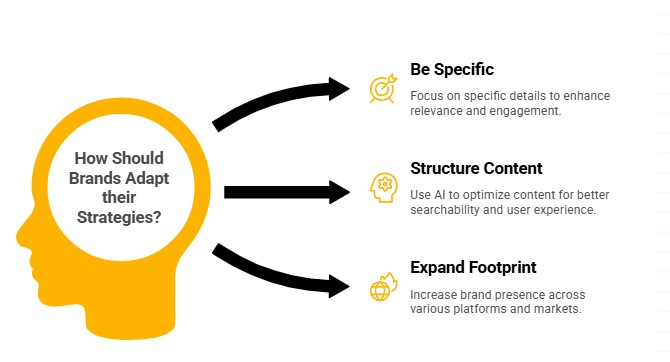
1. Be Specific Where It Matters
You don’t have to reveal confidential data, but you do need to explain:
- What you do
- How you do it
- For whom
- What tools or methods you use
- What results can be expected
Even if it’s approximate, clear messaging gives AI, and people, something to hold on to.
2. Structure Content with AI in Mind
AI thrives on structure. Use:
- Bullet points
- Short, factual sentences
- Headings that match common search phrases
- Internal links to deeper explanations
This helps AI index and repeat your message more accurately.
3. Expand Your Brand Footprint
Don’t rely only on your website. Publish content across:
- Medium
- LinkedIn articles
- Guest blogs
- YouTube with clear transcripts
- Google Business and Maps FAQs
These platforms help feed AI with accurate, high-quality information about your brand.
Read this also: Top 15 Useful Blogging Tools for Writing SEO Content
Conclusion
The Ahrefs study didn’t just expose a quirk in AI behaviour, it revealed something all brands should consider deeply: when you avoid details, you lose the power to shape your own story.
In our independent research, we saw this play out in real time across dozens of businesses. AI doesn’t care if your site is beautiful or your tagline is clever. It rewards what’s structured, what’s specific, and what’s usable.
At Kings Digital, we build content strategies that help brands protect their voice, not just for customers, but for AI systems too. Because in this new age, clarity is not just helpful, it’s essential for trust.
Frequently Asked Questions
Why is detailed content important in the age of AI?
Detailed content gives AI systems enough context to understand and correctly represent your brand. AI tools are designed to complete answers, not verify facts.
If your website or official content is vague, AI fills in the gaps using whatever third-party information it finds even if it’s outdated or incorrect. Structured, specific content ensures that your brand controls the narrative.
What happens when a brand avoids sharing details on its website?
When a brand avoids specifics like pricing, process, or product details, AI tools turn to blogs, forums, or reviews to answer user questions. This can lead to misinformation, misaligned expectations, and loss of credibility.
Over time, this affects customer trust because users assume AI’s version of your brand is accurate even if it’s based on third-party content you didn’t create.
How does AI choose which information to display or use?
AI doesn’t select information based on official status it prioritizes clarity, completeness, and structure.
If an unofficial blog post clearly explains your services, but your official page uses vague or generic language, AI is more likely to use the blog post because it answers the user’s query more effectively.
This is why even false but detailed content can become more visible than vague truth.
What can brands do to prevent AI from misrepresenting them?
Brands should take control of their digital content by:
- Publishing clear, structured, and accurate service explanations
- Maintaining a strong FAQ section with specific answers
- Sharing helpful content across trusted platforms (LinkedIn, Medium, YouTube, etc.)
- Updating outdated information regularly
- Monitoring how AI tools represent them in search and chat interfaces
These actions help AI learn from your own voice and reduce reliance on unverified sources.
Is it necessary to reveal everything about the business publicly?
No, brands don’t have to share sensitive data or internal strategies. However, avoiding all details creates confusion. Instead, brands can offer partial transparency share what’s safe and helpful.
For example, instead of saying “Contact us for pricing,” say “Pricing starts at ₹X per month, based on requirements.” This gives AI (and users) enough context to understand what you offer without exposing critical information.