



Brand Case Studies
Article Summary
Behind every iconic luxury fashion brand lies a remarkable story of ambition, creativity, innovation, and determination. From Louis Vuitton's beginnings as a trunk-maker and Gucci's inspiration from luxury travel to Coco Chanel's revolutionary designs, these seven brands transformed ordinary ideas into globally recognised fashion empires. Dior redefined post-war elegance, Prada challenged traditional luxury with unconventional materials, Michael Kors made designer fashion more accessible, and Versace turned bold glamour into a powerful brand identity.
Their journeys reveal how craftsmanship, distinctive branding, smart marketing, celebrity influence, and continuous innovation shaped the global luxury industry. Their stories offer valuable lessons for entrepreneurs and marketers: lasting brand success is built not just on expensive products, but on vision, storytelling, customer connection, and the ability to evolve with time.
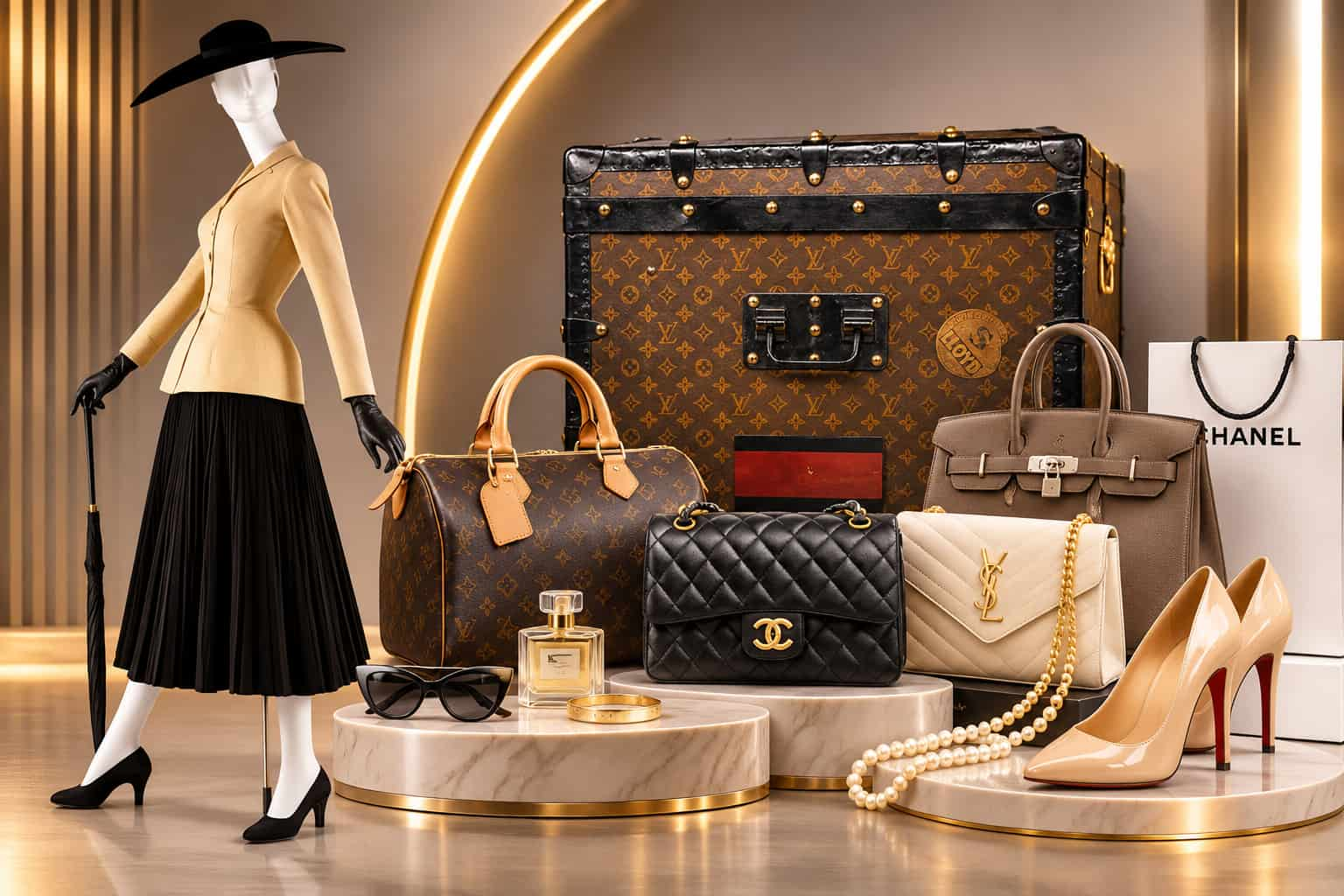
From a young boy who walked hundreds of miles to Paris to a designer who transformed ordinary nylon into high fashion, discover the extraordinary stories behind the labels that changed luxury forever.
Think about the last time you spotted an LV monogram, a Gucci handbag, or Chanel's interlocking C logo. You probably recognised the brand instantly, perhaps without even thinking about it. But have you ever wondered what happened before these brands became symbols of wealth, elegance, and status?
Before Louis Vuitton became a luxury empire, its founder was a teenager who travelled to Paris in search of work. Before Gucci became a global powerhouse, its founder was observing wealthy hotel guests and their luggage. Before Chanel became synonymous with timeless elegance, Gabrielle Chanel was challenging the way women were expected to dress.
These stories aren't simply about expensive handbags and designer clothes. They're about ambition, difficult decisions, unusual ideas, changing consumer tastes, and the ability to create something people remember for generations. Today, we'll explore seven fashion brands that transformed the meaning of luxury, along with the marketing decisions and business lessons behind their success.
Article Highlights
- How Louis Vuitton turned a practical travel problem into a legendary luxury business.
- Why Gucci's founder found inspiration while working at a London hotel.
- How Coco Chanel challenged fashion conventions and made simplicity revolutionary.
- Why Christian Dior's first major collection caused both outrage and admiration.
- How Prada turned industrial nylon into a desirable luxury material.
- How Michael Kors built an aspirational fashion business beyond traditional haute couture.
- How Versace used bold design, celebrity culture, and glamour to create a distinctive identity.
- What their histories and recent financial performance reveal about building lasting brands.
The seven brands at a glance
| Brand | Founded | Country | Signature contribution |
|---|---|---|---|
| Louis Vuitton | 1854 | France | Luxury travel trunks and monogram canvas |
| Gucci | 1921 | Italy | Italian leather goods and recognisable house codes |
| Chanel | 1910 | France | Modern womenswear, No. 5 perfume, iconic handbags |
| Michael Kors | 1981 | USA | American glamour and accessible designer luxury |
| Dior | 1946 | France | The revolutionary New Look |
| Prada | 1913 | Italy | Intellectual fashion and luxury nylon |
| Versace | 1978 | Italy | Bold prints, glamour, and celebrity-driven fashion |
Louis Vuitton: The Boy Who Walked to Paris and Built a Luxury Legacy
| Key aspect | Details |
|---|---|
| Founder | Louis Vuitton |
| Founded | 1854, Paris, France |
| Humble beginning | Started as an apprentice box-maker and trunk packer in Paris. |
| Big breakthrough | Introduced innovative flat-topped travel trunks in 1858, making luggage easier to stack. |
| Iconic products | Monogram Canvas, Speedy Bag, Keepall, Neverfull |
| Marketing strategy | Heritage storytelling, craftsmanship, exclusivity, celebrity collaborations, and limited editions |
| Unique selling point | Recognisable design, craftsmanship, and luxury travel heritage |
| Biggest business lesson | Solve a customer problem first, then build a powerful brand identity around your innovation. |
Imagine being 13 years old, leaving your home, and travelling hundreds of miles because you believe your future lies somewhere else. That is how the story of Louis Vuitton began.
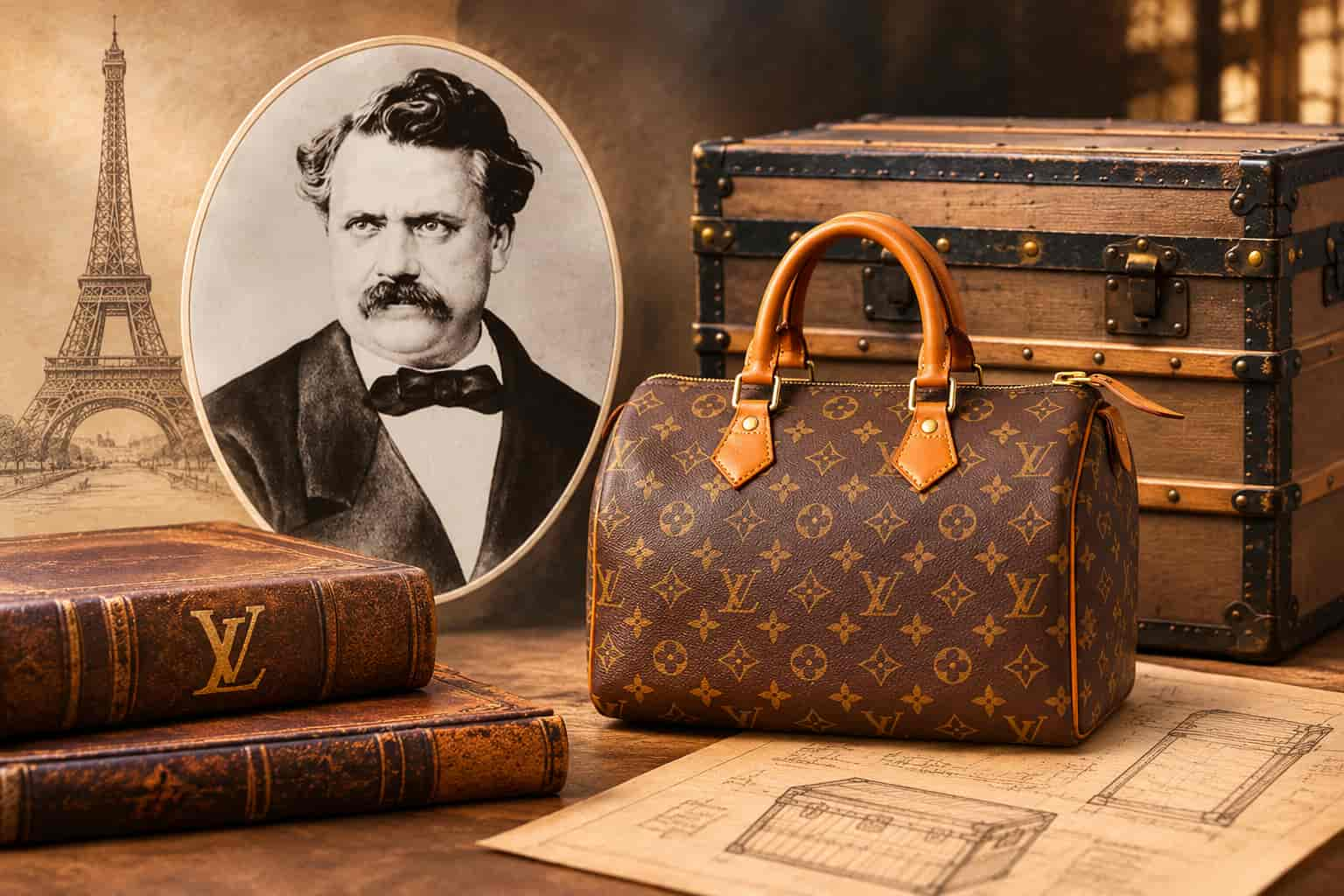
Born in 1821 in Anchay, France, Louis Vuitton left home as a teenager and set out for Paris. His journey covered roughly 300 miles and took more than two years. When he arrived, he became an apprentice to a craftsman specialising in packing boxes and trunks.
It wasn't glamorous work, but it taught him that wealthy travellers needed reliable ways to protect and transport their belongings. In time, Vuitton became highly skilled and was appointed a personal box-maker and packer to Empress Eugénie of France. By 1854, he was ready to open his own workshop in Paris.
The ordinary problem that changed luxury travel
Traditional travel trunks often had rounded lids. They were useful for shedding rainwater, but awkward to stack during transport. Vuitton helped popularise a lightweight, durable, flat-topped trunk. His 1858 innovation made luggage easier to stack and transport during an age of expanding railway and steamship travel. Vuitton wasn't merely decorating luggage. He was improving it. In 1859 he opened a larger workshop at Asnières, just outside Paris.
How the LV monogram became legendary
By the late nineteenth century, imitation was already a problem. In 1896, four years after Louis Vuitton's death, his son Georges introduced the famous monogram canvas. Its distinctive flowers, geometric designs, and LV initials made the brand recognisable while helping distinguish authentic products from copies. Today, it remains one of the most recognisable patterns in luxury fashion.
The marketing lesson
Louis Vuitton built lasting value through problem-solving, craftsmanship, heritage, and visual consistency. A practical innovation can eventually become a powerful symbol of luxury.
Gucci: The Hotel Porter Who Dreamed of Creating Luxury Luggage
| Key aspect | Details |
|---|---|
| Founder | Guccio Gucci |
| Founded | 1921, Florence, Italy |
| Humble beginning | Inspired by the elegant luggage carried by wealthy guests while working at London's Savoy Hotel. |
| Big breakthrough | Expanded from premium leather luggage into iconic accessories and internationally recognised fashion. |
| Iconic products | Bamboo 1947 Bag, Jackie 1961, Horsebit Loafers, GG Marmont |
| Marketing strategy | Celebrity influence, creative reinvention, distinctive house codes, and fashion storytelling |
| Unique selling point | Italian craftsmanship combined with bold, recognisable designs |
| Biggest business lesson | Reinvention can keep a heritage brand relevant, but its core identity must remain recognisable. |
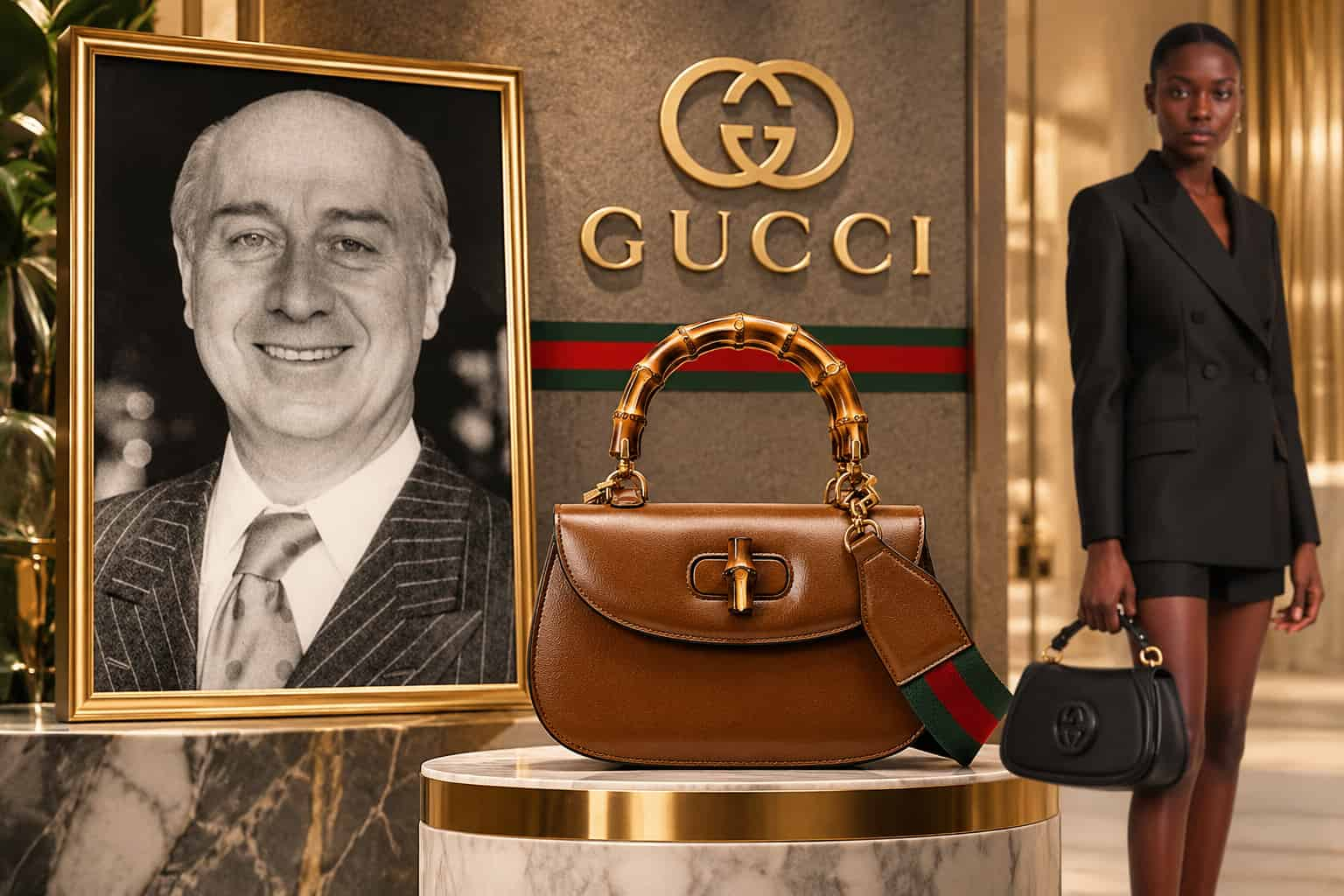
Long before Gucci became associated with red carpets and statement handbags, its founder was working at one of London's grandest hotels. In 1897, a young Italian named Guccio Gucci began working as a porter at The Savoy. There, he encountered wealthy international travellers and their beautifully crafted luggage.
He noticed that luggage was more than a practical necessity: it communicated taste, lifestyle, and social position. Guccio returned to Florence in 1902, and in 1921 he opened his own luggage and leather-goods business, combining Italian craftsmanship with the elegance he had observed in London.
When shortages inspired an iconic design
After World War II, material shortages created difficulties for European manufacturers. Gucci experimented with alternatives, including bamboo, eventually producing its famous bamboo-handled bag in 1947. What began partly as a response to material constraints became one of the house's most enduring design signatures. Other influential products followed, including the Horsebit loafer in 1953 and the handbag later known as the Jackie 1961. Gucci also opened a New York store in 1953, a major step in its international expansion.
How Gucci learned to reinvent itself
Leadership changes, family conflicts, and shifting fashion tastes challenged the business over the decades. In 1994, Tom Ford became Creative Director and reshaped Gucci's image through a more provocative and glamorous identity. Later, Alessandro Michele introduced vintage references, maximalism, and eclectic styling. These reinventions helped Gucci reach new generations without completely abandoning its heritage.
However, modern luxury brands face changing demand. In 2025, Gucci generated approximately €6 billion in revenue, a reported 22% decline from the previous year. Even famous names must work continuously to stay desirable.
The marketing lesson
Gucci demonstrates the importance of recognisable brand assets and creative reinvention. A brand can honour its history while adapting to new audiences, but reinvention must connect with what consumers actually want.
Want a brand story that builds lasting value?
Talk to Kings DigitalChanel: The Woman Who Refused to Follow Fashion's Rules
| Key aspect | Details |
|---|---|
| Founder | Gabrielle "Coco" Chanel |
| Founded | 1910, Paris, France |
| Humble beginning | Began with a small millinery shop selling women's hats. |
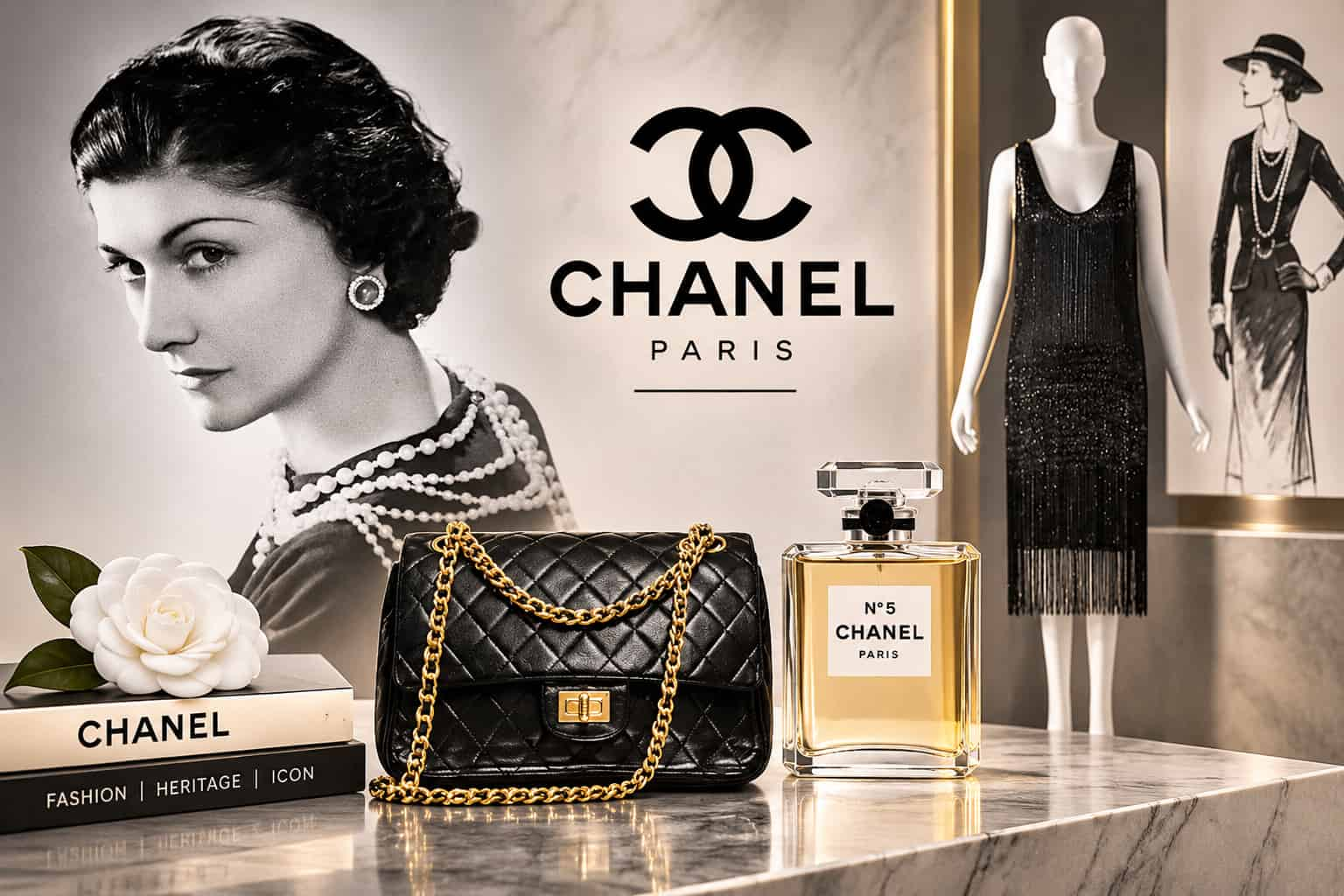
| Big breakthrough | Popularised comfortable, modern women's fashion and introduced iconic creations such as Chanel No. 5 and the little black dress. |
| Iconic products | Chanel No. 5, 2.55 Handbag, Classic Flap Bag, Tweed Jacket |
| Marketing strategy | Timeless branding, visual consistency, controlled distribution, and heritage-led storytelling |
| Unique selling point | Elegant designs that balance simplicity, sophistication, and heritage |
| Biggest business lesson | A strong brand philosophy can remain relevant across generations. |
In the early twentieth century, fashionable women's clothing was often elaborate, restrictive, and heavily influenced by traditional ideas of femininity. Then came Gabrielle "Coco" Chanel.
Her childhood was far removed from the luxury world she would enter. After experiencing poverty and losing her mother, she spent part of her youth in a convent orphanage, where she learned sewing. In 1910, Chanel opened a millinery shop in Paris. What started with hats expanded into clothing, and her approach was noticeably different: she believed women should be able to move comfortably while still looking elegant.
How simplicity became revolutionary
Chanel challenged the ornate fashions of her era. She experimented with jersey fabric, embraced relaxed silhouettes, and popularised clothing that balanced sophistication with practicality.
- 1921: launched No. 5, one of the most recognisable names in perfume.
- 1926: introduced the little black dress, turning a simple colour and silhouette into an enduring statement.
- 1955: the house launched the 2.55 quilted handbag, with a shoulder strap that helped free women's hands.
These creations reflected one philosophy: luxury did not have to mean discomfort or unnecessary decoration.
Building a brand that outlived its founder
Chanel's personal history was complex and includes controversial wartime associations that should not be overlooked in a full historical account. Nevertheless, her influence on fashion design is undeniable. Following her death in 1971, the company continued to evolve, and Karl Lagerfeld's arrival as artistic director in 1983 helped reinterpret Chanel's recognisable elements for new generations.
In 2025, privately owned Chanel reported approximately $19.3 billion in revenue, a 1.8% increase in constant-currency terms.
The marketing lesson
A clear philosophy can become a brand's greatest strength. Chanel's appeal comes from recognisable products, consistent design codes, and the ability to reinterpret classic ideas for changing generations.
Michael Kors: The Young Designer Who Made Glamour More Accessible
| Key aspect | Details |
|---|---|
| Founder | Michael Kors |
| Founded | 1981, New York, USA |
| Humble beginning | Developed his design career while working at a New York fashion boutique. |
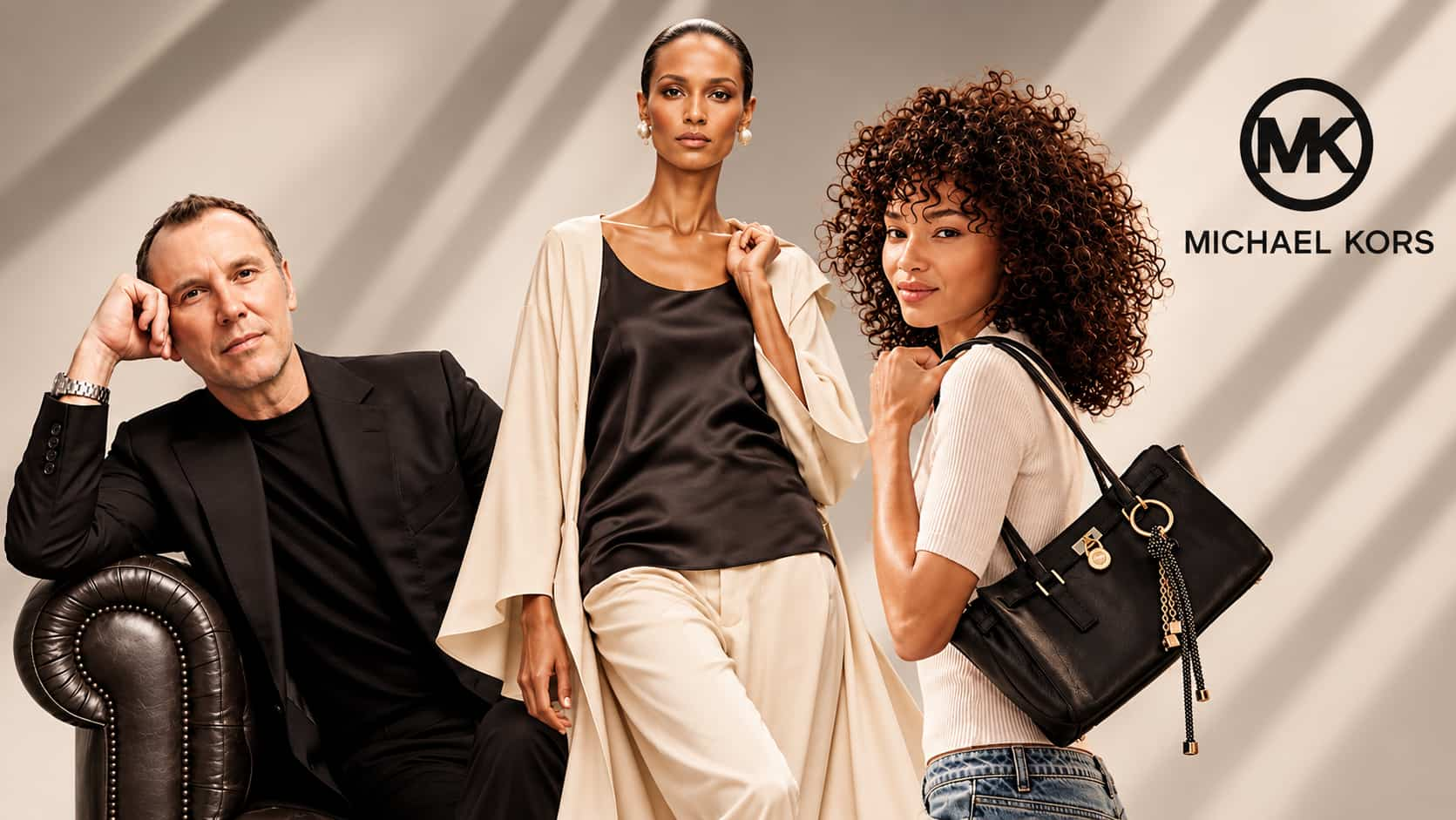
| Big breakthrough | Launched his namesake collection and expanded into handbags, accessories, and the MICHAEL Michael Kors line. |
| Iconic products | Jet Set Tote, Hamilton Bag, Mercer Bag, Designer Watches |
| Marketing strategy | Aspirational lifestyle marketing, celebrity visibility, broad product accessibility, and international retail expansion |
| Unique selling point | Polished American glamour at multiple designer-fashion price points |
| Biggest business lesson | Understanding customer aspirations and offering accessible entry points can expand a brand's audience. |
Not every fashion empire began with a centuries-old workshop or an aristocratic customer. Some began with a young person who simply loved clothes. Michael Kors grew up in Merrick, Long Island, New York. According to the brand's official history, when he was five he advised his mother to remove the bows from her wedding dress, and she followed his advice.
After studying briefly at the Fashion Institute of Technology, Kors worked at Lothar's, a fashionable New York boutique. His designs attracted the attention of Dawn Mello, then an executive at Bergdorf Goodman, who encouraged him to get in touch when he had his own collection. In 1981, at just 21, Michael Kors launched his namesake label.
How he built a different kind of luxury business
Kors understood that many consumers admired designer fashion but wanted products that suited their everyday lives. He focused on polished American sportswear, sophisticated handbags, wearable designs, and an aspirational jet-set lifestyle. The brand expanded into handbags, footwear, watches, accessories, and fragrances.
The 2004 introduction of MICHAEL Michael Kors was especially important, offering a more accessible entry into the designer's universe. It widened the audience while preserving the glamour associated with the name.
The power of aspirational marketing
Michael Kors became known for polished campaigns, celebrity visibility, and products associated with glamorous city living and international travel. Its positioning differed from the exclusivity traditionally associated with Chanel or Louis Vuitton, letting customers join the designer-brand experience at a wider range of prices. That accessibility helped the business expand internationally, although broad distribution and promotional discounting can weaken exclusivity if they become excessive.
The marketing lesson
Brands can grow by developing products at different price levels, provided they protect quality, positioning, and the perceived value of their name.
Dior: The Designer Who Changed Fashion with One Collection
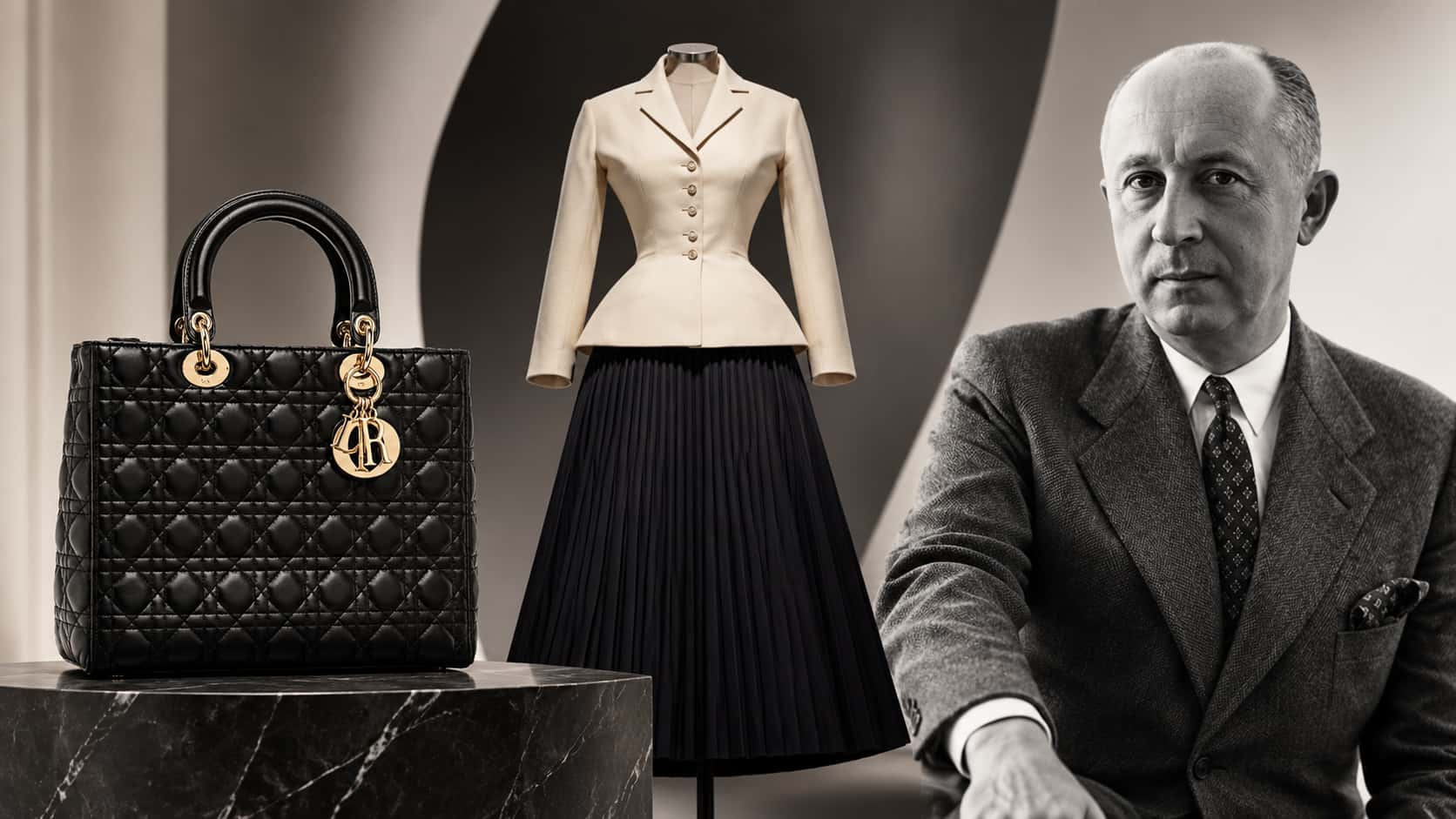
"My house, from the beginning, was meant to be a temple of elegance and joy." — Christian Dior
| Key aspect | Details |
|---|---|
| Founder | Christian Dior |
| Founded | 1946, Paris, France |
| Humble beginning | Established his couture house with financial backing from textile industrialist Marcel Boussac. |
| Big breakthrough | Introduced the revolutionary New Look collection in 1947. |
| Iconic products | Bar Suit, Lady Dior Bag, Miss Dior Perfume, Saddle Bag |
| Marketing strategy | Couture heritage, luxury storytelling, celebrity associations, and iconic product design |
| Unique selling point | A distinctive combination of couture craftsmanship, femininity, and creative innovation |
| Biggest business lesson | A bold creative idea can redefine an industry and establish lasting brand recognition. |
Picture Paris in 1947. World War II had ended less than two years earlier. Europe was still recovering, and fabric restrictions and wartime austerity had influenced the way people dressed. Clothing was often practical, economical, and restrained.
Then, on February 12, 1947, Christian Dior presented his first couture collection at 30 Avenue Montaigne in Paris. Instead of practical wartime silhouettes, he introduced rounded shoulders, narrow waists, and long, flowing skirts. One design, the famous Bar suit, paired a carefully structured jacket with a full skirt: dramatic, feminine, and unlike much of what people had recently seen.
The collection that created its own headlines
The collection became known as the New Look after Harper's Bazaar editor Carmel Snow used the expression to describe it. Not everybody admired the designs. With many families struggling with shortages, some critics considered the generous use of fabric wasteful, and others saw a return to restrictive women's clothing. Yet the controversy fuelled widespread discussion. Dior had created something people couldn't ignore, and the New Look helped establish a new direction in post-war fashion while restoring global attention to Parisian couture.
How Dior turned a fashion moment into a lasting business
Dior's success extended beyond couture. The house developed fragrances, accessories, and international commercial relationships. Miss Dior perfume arrived in 1947, connecting the house with the fragrance industry. Although Christian Dior died in 1957, the house survived through generations of creative leadership and new categories. Today it is recognised for couture, handbags such as the Lady Dior, fragrances, beauty products, and luxury retail experiences.
The marketing lesson
A bold product idea can become a cultural turning point. Distinctive creative work, meaningful storytelling, and a recognisable signature give a brand influence far beyond one season.
Prada: The Brand That Made Ordinary Nylon Look Extraordinary
| Key aspect | Details |
|---|---|
| Founder | Mario Prada |
| Founded | 1913, Milan, Italy |
| Humble beginning | Opened a luxury leather-goods and travel accessories store in Milan. |
| Big breakthrough | Miuccia Prada introduced innovative nylon accessories in the 1980s, challenging traditional definitions of luxury. |
| Iconic products | Prada Nylon Backpack, Re-Edition Bag, Galleria Bag, Cleo Bag |
| Marketing strategy | Product innovation, unconventional design, minimalist branding, and cultural positioning |
| Unique selling point | Intellectual fashion that challenges traditional ideas about luxury |
| Biggest business lesson | Innovation can transform an ordinary material into something extraordinary when supported by distinctive design and positioning. |
What would you think if a luxury brand introduced a handbag made from a material commonly associated with industrial products? In the 1980s, many customers expected luxury accessories to be made from fine leather and other traditionally expensive materials. Then Miuccia Prada decided that nylon could be fashionable. But Prada's story began decades earlier.
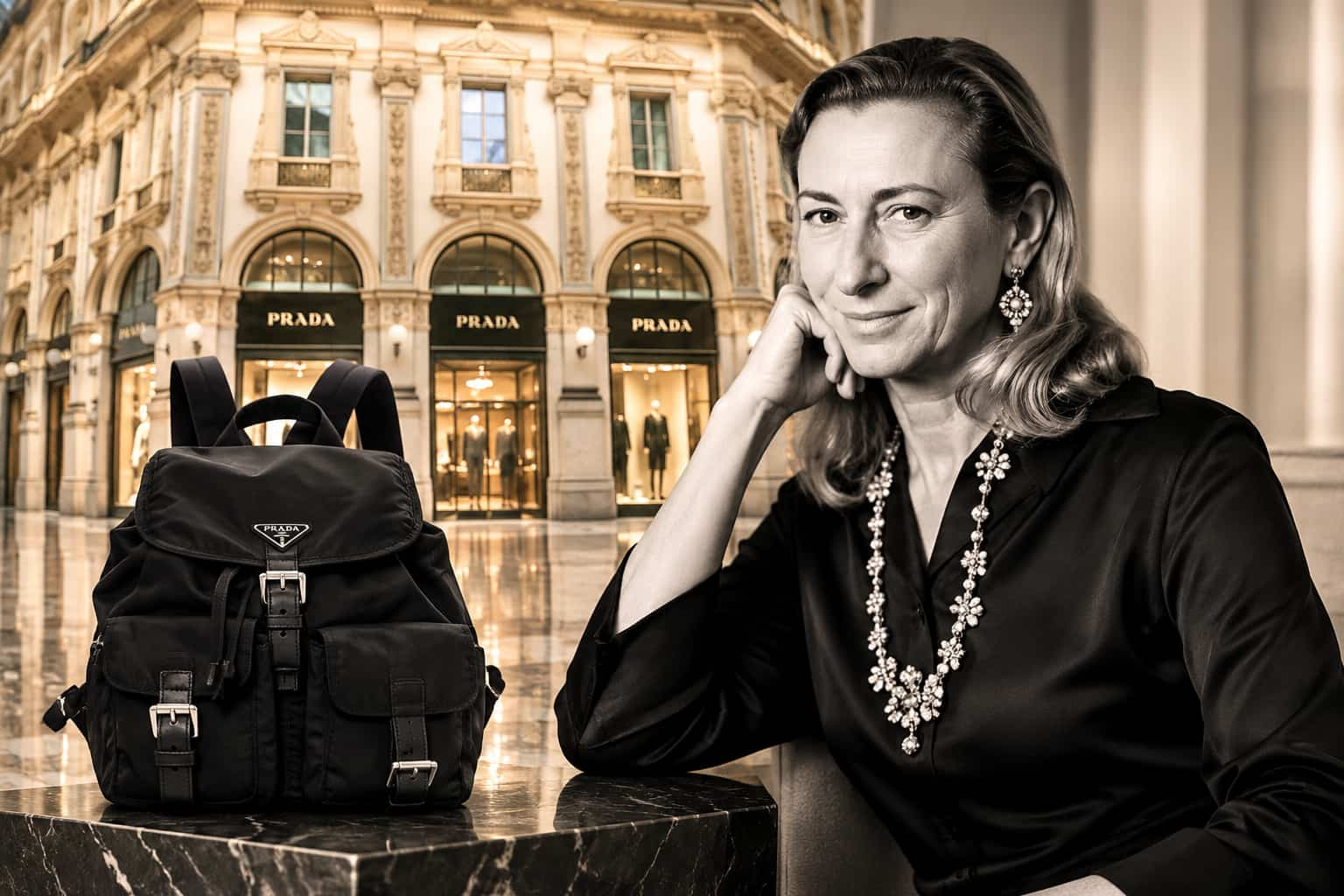
In 1913, Mario Prada opened a leather-goods store in Milan's prestigious Galleria Vittorio Emanuele II, selling travel goods, trunks, handbags, and accessories to a wealthy clientele. For decades it was associated with high-quality craftsmanship. Then the next generation introduced a new perspective.
The granddaughter who questioned traditional luxury
Miuccia Prada joined the family business in the late 1970s. Instead of following a predictable path into fashion, she had studied political science and explored artistic interests. Working with entrepreneur Patrizio Bertelli, she helped develop a new direction for the company. In 1984, Prada introduced its now-famous nylon backpack.
At first, the idea seemed strange. Why pay a luxury price for a backpack made from a material that didn't traditionally symbolise wealth? The answer lay in its design, practicality, technical construction, and the contrast between an ordinary material and a prestigious identity. It did not become an immediate runaway success, but as it gained recognition it challenged established ideas about what luxury could look like.
How Prada made unconventional thinking desirable
Miuccia explored unusual silhouettes, unexpected materials, understated styling, and intellectual references, making Prada a byword for sophisticated experimentation. The brand later developed its Re-Nylon initiative, incorporating regenerated nylon into collections and linking an iconic material with discussions about sustainability.
The wider Prada Group reported €5.718 billion in 2025 revenue, up 9% at constant exchange rates. However, the flagship Prada brand's retail sales declined 1% at constant currency, while Miu Miu contributed particularly strong growth. A group's success does not automatically mean every individual brand is growing at the same rate.
The marketing lesson
Differentiation does not always require expensive-looking materials. Unusual thinking, design credibility, and a clear creative point of view can transform how consumers perceive value.
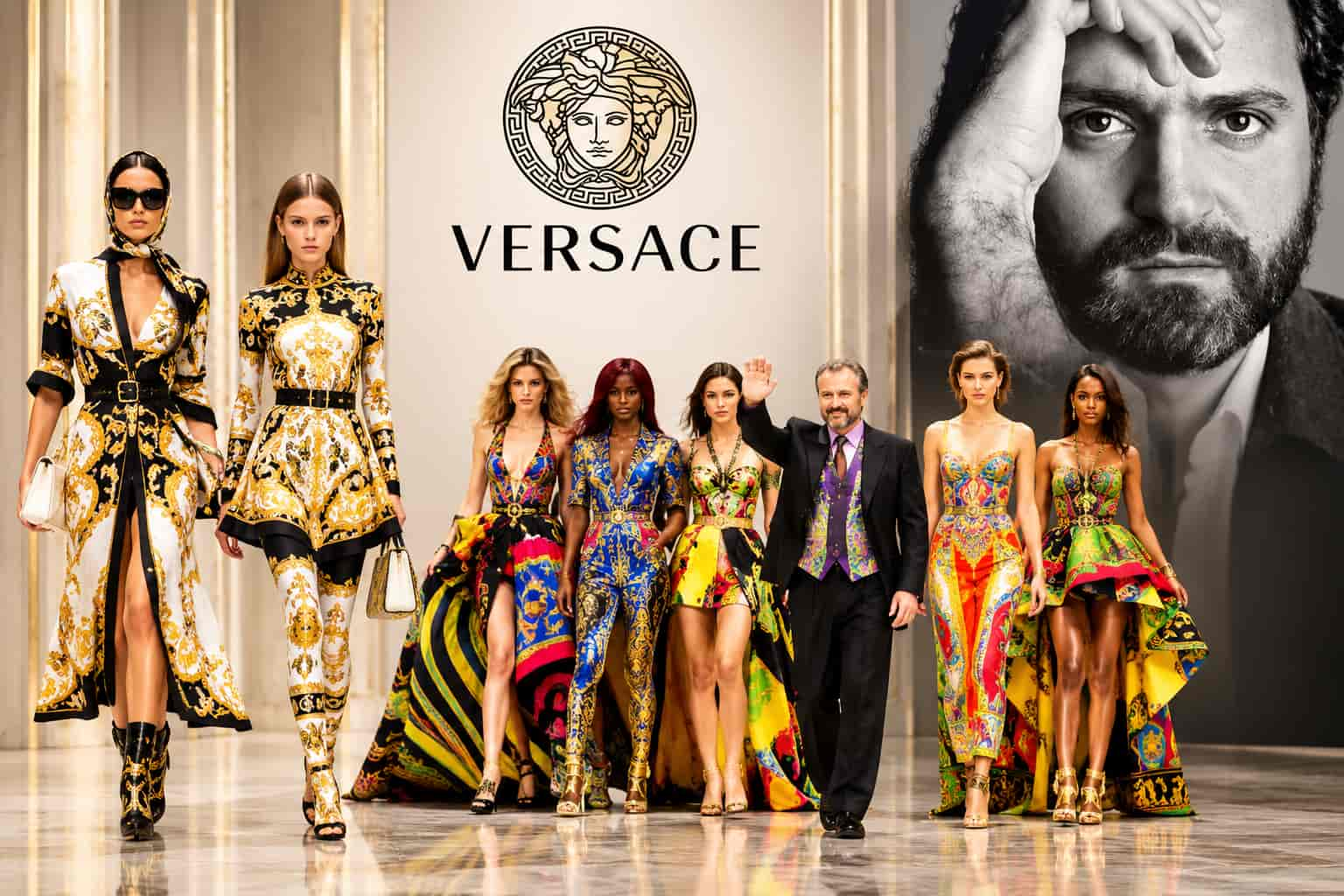
Versace: The Designer Who Made Boldness a Luxury Identity
| Key aspect | Details |
|---|---|
| Founder | Gianni Versace |
| Founded | 1978, Milan, Italy |
| Humble beginning | Learned about fashion through his mother's dressmaking business before pursuing his own design career. |
| Big breakthrough | Built recognition through striking prints, glamorous collections, and strong connections with celebrities and supermodels. |
| Iconic products | Medusa-Logo Accessories, Baroque-Print Clothing, Safety-Pin Dress, La Medusa Bag |
| Marketing strategy | Bold visual branding, celebrity culture, runway spectacle, and attention-grabbing fashion |
| Unique selling point | Dramatic glamour, expressive designs, and the iconic Medusa identity |
| Biggest business lesson | A distinctive personality and consistent visual identity can help a brand stand out in a crowded market. |
Some designers build their identity around restraint. Gianni Versace took a different approach. He believed fashion could be expressive, powerful, glamorous, and impossible to ignore. Born in Reggio Calabria, Italy, Gianni grew up around clothing and craftsmanship; his mother was a dressmaker. After moving to Milan he developed his career in fashion, and in 1978 he established his own label.
From the beginning, Versace differed from the understated luxury of certain European houses. His collections embraced striking colours, sensual silhouettes, elaborate prints, and influences from classical mythology and Mediterranean culture.
How a mythological figure became a fashion symbol
One of Versace's most recognisable brand elements is the Medusa head. Drawn from Greek mythology, it became a symbol of fascination, strength, and dramatic beauty. Alongside baroque-inspired prints, it gave Versace a strong visual identity. You didn't necessarily need to see the brand name to recognise a Versace creation.
The designer who connected fashion with celebrity culture
Versace helped bring fashion, celebrities, and popular culture closer together. His relationships with supermodels, musicians, and entertainers turned runway shows into cultural events. During the 1990s, models such as Naomi Campbell, Cindy Crawford, Linda Evangelista, and Christy Turlington became closely associated with the spectacular supermodel era, reinforced by famous red-carpet moments. Versace understood that fashion could be entertainment, aspiration, personality, and spectacle.
A tragedy that changed the company
In 1997, Gianni Versace was murdered in Miami. His death shocked the fashion industry and created a profound challenge for the business. His sister Donatella Versace helped carry the brand forward creatively, preserving its identity while adapting it to new generations. The company later changed ownership several times; most recently, Prada Group completed its acquisition of Versace on December 2, 2025. The journey shows both the importance of a visionary founder and the difficulty of preserving that vision across generations.
The marketing lesson
Fearless differentiation and cultural visibility matter. A strong visual identity becomes memorable when consistently reinforced through products, storytelling, celebrity relationships, and brand experiences.
Ready to give your brand a signature people remember?
Book a Strategy CallWhat Made These Seven Luxury Fashion Brands Successful?
Their products, personalities, and target audiences differ, but certain patterns connect their journeys. Some introduced genuinely useful innovations. Others challenged fashion conventions. A few became experts at connecting their products with culture, celebrities, and aspiration.
The luxury brand success formula
| Brand | Breakthrough moment | Core branding strategy | Key business lesson |
|---|---|---|---|
| Louis Vuitton | Flat-topped travel trunk | Craftsmanship and heritage | Solve a problem exceptionally well |
| Gucci | Iconic leather goods and creative reinvention | Distinctive identity and cultural relevance | Reinvent without abandoning heritage |
| Chanel | Modern silhouettes and timeless accessories | Consistency and recognisable design | Build around a lasting philosophy |
| Michael Kors | Expansion into accessible designer accessories | Aspirational lifestyle positioning | Understand different customer segments |
| Dior | The 1947 New Look | Bold creativity and storytelling | Challenge established conventions |
| Prada | The nylon backpack | Unconventional luxury and innovation | Redefine how people perceive value |
| Versace | Expressive designs and celebrity-led visibility | Bold visual identity and glamour | Make your brand impossible to confuse |
The Numbers Behind the Luxury Industry
Luxury fashion isn't just beautiful products and glamorous campaigns. It is also a substantial global business, influenced by consumer spending, tourism, economic conditions, and changing cultural tastes. Recent financial results show both the size of these businesses and the challenges they face.
Parent of Louis Vuitton and Dior
Privately owned
Individual fashion house
Prada, Miu Miu and more
Graph 1: How old are these legendary brands?
Years of brand heritage as of 2026, calculated from commonly recognised founding years. Heritage is not a measure of market success.Louis Vuitton has been operating for more than 170 years, while Michael Kors established an internationally recognised name in a much shorter period.
Graph 2: Recent revenue performance, 2025 vs 2024
Gucci: reported change. Chanel and Prada Group: constant-currency change. Bar lengths show size of change, not a like-for-like brand ranking.Having a famous logo does not guarantee uninterrupted growth. Some heritage businesses faced falling revenue in 2025, while others saw modest growth or benefited from stronger performance in different parts of their portfolios. The challenge is to balance heritage with innovation, maintain customer interest, and protect the exclusivity that makes luxury desirable.
Six Business Lessons Hidden Behind Luxury Fashion's Greatest Stories
Start by understanding a real need
Louis Vuitton improved travel luggage before his name became an international status symbol.
Create a recognisable identity
Gucci's house codes, Chanel's signature designs, and Versace's Medusa show the power of visual consistency.
Challenge conventions
Dior's New Look and Prada's nylon accessories became influential precisely because they defied expectations.
Understand who customers want to become
Michael Kors built an aspirational lifestyle around wearable fashion and accessories.
Stay relevant without losing identity
Creative reinvention helped several houses reach new generations, though not always with immediate sales growth.
Build something bigger than one product or founder
Enduring brands develop design codes, institutional knowledge, distribution networks, and creative leadership that survive generations.
Conclusion
A luxury handbag may carry a famous logo, but behind that logo lies a journey that often began long before the world knew the founder's name. Louis Vuitton started with practical travel trunks. Guccio Gucci was inspired by the luggage of wealthy hotel guests. Coco Chanel rejected restrictive fashion. Christian Dior challenged an entire era's aesthetic. Miuccia Prada questioned what luxury materials should look like. Michael Kors built a glamorous yet more accessible designer universe, while Gianni Versace made bold self-expression central to his brand.
These brands became influential because they brought a distinctive idea into the world and developed an identity around it. Over time, products became signatures, signatures became traditions, and traditions became valuable business assets. Not every collection was successful and not every strategic decision worked; each brand has faced commercial pressure, criticism, or periods of uncertainty. Yet their histories continue to influence how businesses think about fashion, pricing, marketing, brand identity, and consumer aspirations.
Luxury is not simply about how much a product costs. It is about the craftsmanship, cultural meaning, experience, and reputation that make people value it. Behind some of the world's most recognisable designer labels were once individuals with an idea, a set of skills, and the determination to build something different.
Sources and Further Reading
For historical facts, milestones, and financial figures, this article draws on primary and established editorial sources.
- Louis Vuitton: Official Heritage and History
- Christie's: The History of Louis Vuitton Trunks
- Gucci: Official Brand History
- Chanel: Company Heritage and Historical Timeline
- Michael Kors: Official Founder Story
- Dior: The New Look and the First Collection
- Prada Group: Company History
- Versace: Official Company Profile
- LVMH: Financial and Business Performance
- Kering: Group and Brand Financial Figures
- Prada Group: Full Year 2025 Financial Results
- Chanel: Financial Reports
Frequently Asked Questions
1. How did the world's most famous luxury fashion brands get started?
Many iconic luxury fashion brands began as small businesses built around craftsmanship, creativity, and innovation. Louis Vuitton started as a trunk-maker in Paris in 1854, while Gucci began as a leather-goods shop in Florence in 1921. Chanel initially specialised in women's hats, and Prada started with luxury travel accessories. Over time, these brands expanded their products, developed distinctive identities, and became globally recognised fashion houses.
2. What makes brands like Louis Vuitton, Gucci, and Chanel so expensive?
They command premium prices because of their craftsmanship, materials, brand heritage, design, and exclusivity. Their products also carry emotional and symbolic value, often representing personal style, achievement, and social status. Marketing, controlled distribution, and decades of brand building further contribute to perceived value. However, a higher price does not always guarantee superior quality.
3. What marketing strategies helped luxury fashion brands become globally successful?
Luxury fashion brands use a combination of heritage storytelling, celebrity partnerships, product innovation, distinctive visual identities, and exclusive shopping experiences. Louis Vuitton emphasises craftsmanship and travel heritage, while Chanel focuses on timeless elegance. Gucci and Versace have used bold creative identities and celebrity culture to attract attention. These strategies build emotional connections, maintain recognition, and appeal across generations.
4. How do luxury fashion brands maintain their popularity for decades?
Successful luxury brands balance tradition with innovation. They preserve recognisable elements such as logos, signature products, and craftsmanship while introducing new collections, collaborations, and creative directions. Brands like Dior, Prada, and Gucci have evolved with changing trends without completely abandoning their heritage. Consistent positioning, product quality, customer experience, and cultural relevance are essential for long-term popularity.
5. What can modern businesses learn from the success stories of these seven luxury fashion brands?
The journeys of Louis Vuitton, Gucci, Chanel, Michael Kors, Dior, Prada, and Versace demonstrate the importance of strong brand identity, customer understanding, innovation, and consistent storytelling. Businesses can learn to differentiate their products, build emotional connections, and create memorable customer experiences. Lasting success also requires adaptability: rather than copying competitors or chasing every trend, brands should develop a clear identity and keep delivering value customers recognise.
Ready to build a brand that lasts generations?
Talk to Kings Digital