
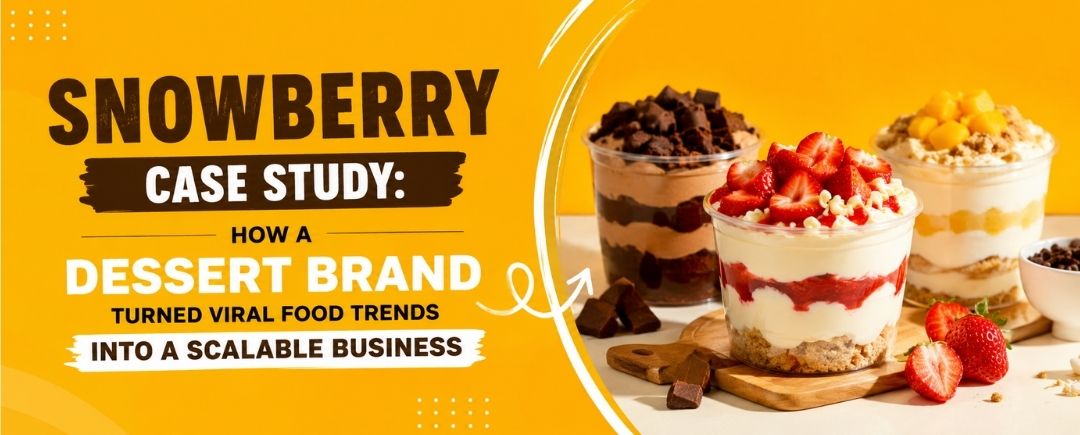



The dessert market in India has changed a lot in the last few years. Earlier, people mostly looked for taste, price, and location. Today, the way a dessert looks is almost as important as how it tastes. Customers do not just want to eat something sweet. They want something they can click, record, post, and talk about.
This is where Snowberry found its space.
Started in 2023 in India, Snowberry quickly became popular by offering desserts that are not only enjoyable to eat but also exciting to share on Instagram and other social media platforms. The brand understood a simple but powerful truth: modern customers love food that creates a moment.
In simple words, Snowberry does not just sell desserts. It sells desserts along with social media moments. That is the biggest reason behind its quick rise.
Core Concept
The Real Idea Behind Snowberry
Most people may look at Snowberry as a dessert brand, but its real business idea is deeper than that. Snowberry is built around the new behaviour of young consumers. People today do not only go out to eat. They go out to experience something, take pictures, make reels, and share that experience with others.
Snowberry understood this shift early. The brand created desserts that look beautiful, feel premium, and have a "viral" quality. Every product is designed in a way that makes customers want to take out their phones before taking the first bite.
This is a very smart approach because social media has become a strong part of food discovery. Many people decide where to eat after watching reels, food blogger videos, or Instagram stories. Snowberry made its products suitable for that exact behaviour.
So, the real idea behind Snowberry is not just dessert selling. It is experience selling.
Market Opportunity
The Market Gap Snowberry Solved
Before Snowberry, many dessert places in India were offering similar products. Ice creams, waffles, brownies, shakes, and cakes were common. These items were loved, but they had also become predictable.
Young customers wanted something new. They wanted desserts that looked different, felt international, and gave them something interesting to post online.
Snowberry solved this problem by bringing trendy global desserts into a local and affordable format. The brand offered products that felt fresh compared to traditional dessert options. This gave customers a reason to visit, try, and share.
The problem was simple: there were not enough fun and shareable dessert experiences.
Snowberry solved it by offering new desserts, better presentation, and more excitement. The brand gave customers something that felt modern and social media-friendly.
Product Strategy
Product Strategy: Choosing Desserts That Already Have Demand
One of the strongest parts of Snowberry's business model is its product strategy. The brand does not randomly add items to its menu. It carefully chooses desserts that already have global popularity and visual appeal.
This is important because creating a completely new food trend takes time, effort, and money. Snowberry follows a smarter path. It picks desserts that are already viral in other markets and brings them to Indian customers in an attractive way.
Some examples include Korean Bingsu, Kunafa with cheese and chocolate pull, layered fruit desserts, and premium-looking dessert bowls. These products work well because they are visually strong. They look good in photos and videos, which makes them perfect for Instagram Reels and short-form content.
The product selection follows three clear rules:
This strategy reduces risk. Snowberry does not need to convince customers from zero. The curiosity already exists because people may have seen similar desserts online. Snowberry simply makes those desserts available in a local outlet.
Our team helps food and lifestyle brands find the right product-market fit and build social-first marketing systems that grow organically.
Business Model
Business Model: How Snowberry Makes Money
Snowberry's business model is simple, practical, and scalable. It is not based only on opening large stores or spending heavily on advertising. Instead, it uses a low-cost store format, high-margin dessert products, and franchise expansion.
#1. Low-Cost Store Setup
Snowberry outlets usually work well in small spaces of around 500 to 600 square feet. This helps reduce rent and setup cost. A smaller outlet also needs fewer staff members and less operational complexity.
A limited menu makes the model even easier to manage. When a food business has too many items, it becomes harder to maintain quality, manage inventory, and train staff. Snowberry avoids this by focusing on selected products that can be prepared efficiently.
This helps the brand keep operations simple.
#2. High-Margin Dessert Products
Desserts usually have strong margins. The raw material cost can be controlled, while the final selling price can be higher because of presentation, packaging, toppings, and overall experience.
For example, a dessert bowl may have basic ingredients, but when it is layered beautifully and served with premium toppings, customers are willing to pay more. This gives the brand better earning potential from each order.
#3. Franchise-Led Growth
The franchise model is one of the biggest growth engines for Snowberry. Instead of opening every outlet with its own money, the brand allows franchise partners to invest and open stores.
Franchise investors may put in around ₹20 to ₹30 lakh to start an outlet. Snowberry then earns through franchise fees, royalties, and brand support systems.
This model helps Snowberry expand faster because other people fund the store-level growth. The company can enter more cities without carrying the full financial burden of every outlet.
In simple words, Snowberry created a model where franchise partners invest, and the brand grows through network expansion.
Growth Strategy
Growth Strategy: Why Snowberry Expanded Quickly
Snowberry did not grow only because its desserts looked good. The brand grew because it combined the right product, right audience, right locations, and right business model.
Franchise Expansion
Franchise expansion allowed Snowberry to open outlets faster than a company-owned model. If the brand had tried to open every store on its own, growth would have been slower and more expensive.
The franchise route gave Snowberry speed.
Trend-Based Menu
Snowberry's menu includes desserts that already have a strong curiosity factor. When customers see something new, colorful, or dramatic, they are more likely to try it.
This helped Snowberry attract customers without spending heavily on education or awareness.
Smart Locations
Snowberry outlets work best in areas with high footfall. Locations near colleges, shopping markets, food streets, malls, and youth-heavy neighbourhoods are ideal.
The audience matters a lot. Students and young professionals are more likely to try new desserts and share them online. Snowberry's product and location strategy both support this behaviour.
Marketing
Marketing Strategy: Product as the Main Marketing Tool
Snowberry's strongest marketing point is that its products market themselves. This is very powerful because it reduces dependence on paid advertising.
When a dessert looks attractive, customers naturally record videos and post pictures. A cheese pull, colorful shaved ice bowl, or layered dessert can easily become reel-worthy content. Every customer who posts becomes a small promoter for the brand.
Instagram-First Thinking
Snowberry understands that Instagram is not just a social media platform. For food brands, it is a discovery platform. Many people find new cafes, restaurants, and dessert places through reels and influencer posts.
That is why Snowberry focuses on visual appeal. The dessert must look good from the customer's camera angle. This type of thinking makes the product suitable for organic social media growth.
Influencer Marketing
Snowberry also benefits from local food bloggers and micro-influencers. These influencers may not have celebrity-level fame, but they often have strong trust within a local audience.
For a dessert brand, this is very useful. A food blogger from a city can influence people nearby to visit the outlet. This makes local influencer marketing cost-effective and practical.
FOMO Strategy
Snowberry can also create urgency through limited-time desserts, new launches, and seasonal items. When customers feel that something may not be available later, they are more likely to try it soon.
This fear of missing out helps drive repeat visits and social media conversations.
From influencer strategy to Instagram-first content planning, Kings Digital helps brands grow through platforms where their audience already spends time.
Consumer Psychology
Consumer Psychology Behind Snowberry's Success
Snowberry works because it understands people, especially young consumers.
- People like attention. When they post unique food online, they get likes, comments, and reactions. This gives them a small sense of social reward.
- People follow trends. If a dessert is going viral, many customers want to try it because they do not want to feel left out.
- People copy others. When friends visit a place and post about it, others become curious. This creates a chain reaction.
- People love experiences. A dessert that looks dramatic or feels different becomes more memorable than a regular sweet dish.
Snowberry uses all these behaviours in a natural way. The brand does not just sell sugar, cream, ice, or chocolate. It sells joy, attention, curiosity, and experience.
Why It Works
Why Snowberry's Business Works
Snowberry's business works because all parts of the model support each other.
| Factor | Why It Works |
|---|---|
| Viral Desserts | Attract quick customer attention |
| Strong Visuals | Create free social media promotion |
| Small Store Size | Reduces risk and operating cost |
| Limited Menu | Makes operations easier |
| Franchise Model | Helps fast expansion |
| Youth Audience | Increases demand and online sharing |
| Trend-Based Products | Keeps the brand fresh and exciting |
The real strength of Snowberry is not just one thing. It is the combination of product, pricing, location, presentation, and social media behaviour.
Challenges Ahead
Challenges Ahead
Even though Snowberry has grown quickly, the brand will need to manage several challenges carefully. Fast growth is exciting, but it also brings risks. A brand that grows because of trends must keep improving, or the same trend that created success can also become a weakness.
The dessert market is also easy to enter. Many products can be copied, and customers can shift quickly if they find something newer or more attractive. This means Snowberry cannot depend only on viral desserts forever. It has to build a stronger brand identity, maintain quality, and keep customers emotionally connected.
The biggest challenge is moving from a "trending brand" to a "trusted brand." A trending brand gets attention. A trusted brand gets repeat customers. For long-term success, Snowberry must focus on both.
Dependence on Trends
Snowberry's growth is strongly connected to food trends. This is helpful in the beginning because trends create quick demand. But it can also become risky over time.
Food trends change very fast. A dessert that feels exciting today may become common tomorrow. Customers who once came for Bingsu or Kunafa may start looking for something new after a few months. If the brand does not keep updating its menu, customers may lose interest.
This does not mean Snowberry should keep changing everything. Too many changes can confuse customers and make operations difficult. The smarter approach is to keep a few core best-selling products while introducing seasonal or limited-time items.
For example, the brand can keep its signature desserts as permanent menu items and add festival specials, summer specials, or new global dessert trends from time to time. This gives customers both comfort and freshness.
Snowberry must also study customer data carefully. Which items sell the most? Which products bring repeat orders? Which items only work for Instagram but do not create strong sales? These insights can help the brand avoid wasting money on short-lived trends.
Easy Replication
Another big challenge is that Snowberry's concept can be copied. Desserts like Bingsu, Kunafa, and layered fruit bowls are not impossible to make. Other cafés, dessert shops, and cloud kitchen brands can introduce similar products.
When a business idea becomes popular, competitors naturally enter the market. They may copy the menu, store design, packaging style, or even the presentation format. This can reduce Snowberry's uniqueness.
To deal with this, Snowberry needs to build differentiation beyond the product. The brand should focus on taste consistency, signature recipes, strong packaging, customer service, loyalty programs, and a clear brand personality.
A product can be copied, but a strong brand experience is harder to copy. If customers remember Snowberry for its exact taste, fun store vibe, quick service, and consistent dessert quality, they will still choose the brand even when similar options exist.
The goal should be to make Snowberry not just a place that sells viral desserts, but the first name people remember when they think of modern desserts.
Maintaining Franchise Quality
Franchise growth helps a brand expand quickly, but it also creates quality control challenges. When different owners operate different outlets, maintaining the same standard everywhere becomes difficult.
One outlet may serve desserts perfectly, while another may compromise on presentation, portion size, hygiene, or customer service. Even one bad experience can damage the brand because customers do not always blame the franchise owner. They blame the brand name.
This is why franchise quality is extremely important.
Snowberry must create strong training systems, clear recipe manuals, vendor standards, staff guidelines, and regular audits. Every outlet should follow the same process for product preparation, packaging, service, and cleanliness.
The brand should also monitor customer reviews across Google, Instagram, and food delivery apps. If one outlet is getting repeated complaints, it should be fixed quickly.
Franchise expansion should never happen faster than the brand's ability to control quality. Fast growth looks good on paper, but poor quality can hurt long-term trust.
A strong franchise brand needs balance: speed, support, and strict standards.
Sustaining Long-Term Interest
Viral attention is powerful, but it does not last forever. Many food brands become popular for a short time and then slowly fade because customers move on.
Snowberry must avoid becoming only a hype-driven brand. To sustain long-term interest, it needs repeat value. Customers should not visit only once for a reel. They should return because they genuinely like the taste, service, and overall experience.
This requires continuous innovation. New product launches, festival campaigns, loyalty offers, birthday specials, and student-friendly combos can help keep the audience engaged.
The brand can also build stronger emotional connections. For example, Snowberry can position itself as a happy hangout place for friends, dates, celebrations, and small treats. When a brand becomes part of people's lifestyle, it becomes stronger.
Another way to sustain interest is through community building. Snowberry can run social media contests, customer reposts, user-generated content campaigns, and local store events.
The aim should be simple: give people a reason to keep coming back even after the first viral excitement is gone.
Supply Chain and Operational Consistency
As Snowberry expands to more locations, supply chain management will become more important. Dessert brands depend on fresh ingredients, toppings, dairy products, packaging, and specific preparation materials.
If supply is not consistent, product quality can change from outlet to outlet. A dessert may taste better in one city and average in another. This can weaken brand trust.
Snowberry will need reliable vendors, proper storage systems, and standard procurement processes. If ingredients are not handled well, it can affect taste, hygiene, and customer safety.
Operational consistency also matters in delivery. Many desserts look great when served fresh inside the outlet, but they may not travel well. If the brand plans to grow through online food delivery, it must ensure packaging keeps the dessert fresh, neat, and presentable.
For a visual dessert brand, presentation is not optional. It is part of the product value.
Future Opportunities
Future Growth Opportunities
Snowberry has strong growth potential if it manages expansion carefully. The brand already has a concept that appeals to young consumers. Now the next stage is to build deeper brand value and explore new revenue channels.
The future should not depend only on opening more outlets. Snowberry can grow through product innovation, packaged desserts, brand collaborations, loyalty programs, and stronger digital engagement.
Expansion into More Cities
Snowberry can expand into more Tier-1, Tier-2, and Tier-3 cities. Many smaller cities in India now have young consumers who follow the same Instagram trends as metro audiences. They watch food reels, follow influencers, and want access to trendy food experiences.
Cities with colleges, malls, coaching hubs, and growing café culture can be strong markets for Snowberry.
However, the brand should not expand blindly. It should study local spending power, dessert preferences, location footfall, and franchise partner quality before entering a new city.
Product Innovation
Snowberry can continue adding new global desserts to its menu. It can explore Japanese, Korean, Middle Eastern, and European dessert trends.
At the same time, it can also create Indian fusion desserts. This can help the brand connect with local taste preferences while keeping the presentation modern.
For example, festive dessert bowls, mango-based summer desserts, chocolate-rich winter items, or fusion Kunafa flavours can work well.
Innovation should be regular but controlled. The menu should feel fresh without becoming confusing.
Packaged Dessert Products
Another opportunity is packaged desserts. Snowberry can launch ready-to-eat dessert cups, dessert jars, premium toppings, sauces, or frozen dessert kits.
This can help the brand reach customers beyond its outlets. Packaged products can be sold through retail stores, food delivery apps, quick commerce platforms, and its own website.
This also helps build brand recall. A customer may not visit the outlet every week, but they may buy a Snowberry dessert jar at home.
Brand Collaborations
Snowberry can collaborate with influencers, lifestyle brands, colleges, events, and entertainment spaces. Dessert is an emotional product, so it fits well with celebrations and social experiences.
The brand can create limited-edition desserts with popular creators or run city-specific campaigns with local influencers.
Collaborations can help Snowberry stay relevant and create fresh conversations online.
International Expansion
If the franchise model becomes strong in India, Snowberry can also explore international markets, especially places with a large Indian audience. Countries in the Middle East, Southeast Asia, and other diaspora-heavy markets may offer opportunities.
However, international expansion requires stronger systems. The brand must standardize recipes, supply chains, training, and brand guidelines before going global.
Digital Loyalty Ecosystem
Snowberry can build a digital loyalty program to increase repeat visits. Customers can earn points, unlock offers, receive birthday discounts, or get early access to new desserts.
This can help the brand move from one-time visits to long-term customer relationships.
A strong loyalty system also gives useful customer data. Snowberry can understand buying patterns, popular products, and repeat customer behaviour.
Key Lessons
Lessons Other Businesses Can Learn from Snowberry
Snowberry's journey offers several important lessons for modern businesses.
- First, brands should understand customer behaviour before creating products. Snowberry did not just sell desserts. It understood that customers want experiences worth sharing.
- Second, visual identity matters. In a social media-first world, how a product looks can directly affect how fast it spreads.
- Third, franchise growth can help scale faster, but only when quality systems are strong.
- Fourth, trends can bring attention, but brand trust creates long-term success.
- Fifth, customers are not just buyers anymore. They can become promoters when they feel excited about a product.
Success Formula
Simple Formula Behind Snowberry's Success
Snowberry's success can be understood through a simple formula:
Trend + Visual Appeal + Experience + Social Media + Franchise Expansion = Growth
This formula works because every part supports the other. The trend brings curiosity. The visual appeal encourages posting. The experience creates excitement. Social media spreads awareness. The franchise model helps the brand expand faster.
- Snowberry is not just a dessert brand. It is a smart example of how modern food businesses can grow by understanding trends, customer psychology, social media behaviour, and scalable business models.
- The brand has shown that people today do not only buy food for taste. They also buy moments, attention, and experiences they can share online.
- The next stage will be more important than the first. To stay successful, Snowberry must manage quality, protect its brand identity, keep innovating, and build customer loyalty beyond short-term hype.
- The strongest brands are built when product, marketing, and consumer behaviour work together.
Snowberry is not just a dessert brand. It is a smart example of how modern food businesses can grow by understanding trends, customer psychology, social media behaviour, and scalable business models. The brand has shown that people today do not only buy food for taste. They also buy moments, attention, and experiences they can share online.
However, the next stage will be more important than the first. To stay successful, Snowberry must manage quality, protect its brand identity, keep innovating, and build customer loyalty beyond short-term hype. Its journey offers a clear lesson for many businesses: the strongest brands are built when product, marketing, and consumer behaviour work together.
At Kings Digital, Snowberry's growth story can be seen as a powerful example of how the right digital-first strategy can turn a simple product into a fast-growing brand.
Kings Digital helps businesses create digital-first strategies from brand positioning to social media growth, content, and franchise marketing systems.
Common Questions
Frequently Asked Questions
→ Snowberry focuses on visually appealing, globally inspired desserts that encourage customers to share their experiences on social media while enjoying premium-quality treats.
→ Snowberry combined trending desserts, smart franchise expansion, attractive store locations, and strong social media visibility to build rapid brand awareness and growth.
→ The franchise model enables faster expansion with lower company investment while generating revenue through franchise fees, royalties, and brand support systems.
→ Changing food trends, increasing competition, maintaining franchise quality, and sustaining long-term customer interest are Snowberry's biggest future business challenges.
→ Businesses can learn the importance of combining consumer psychology, product innovation, visual branding, digital marketing, and scalable business expansion strategies effectively.